Wildlife, by law
All native birds, reptiles, amphibians and mammals, except dingoes, are protected in New South Wales by the Biodiversity Conservation Act 2016. Capturing a protected animal is considered harm under that Act. The capture or harming of a possum by anyone other than an authorised officer or a licensed person is illegal.
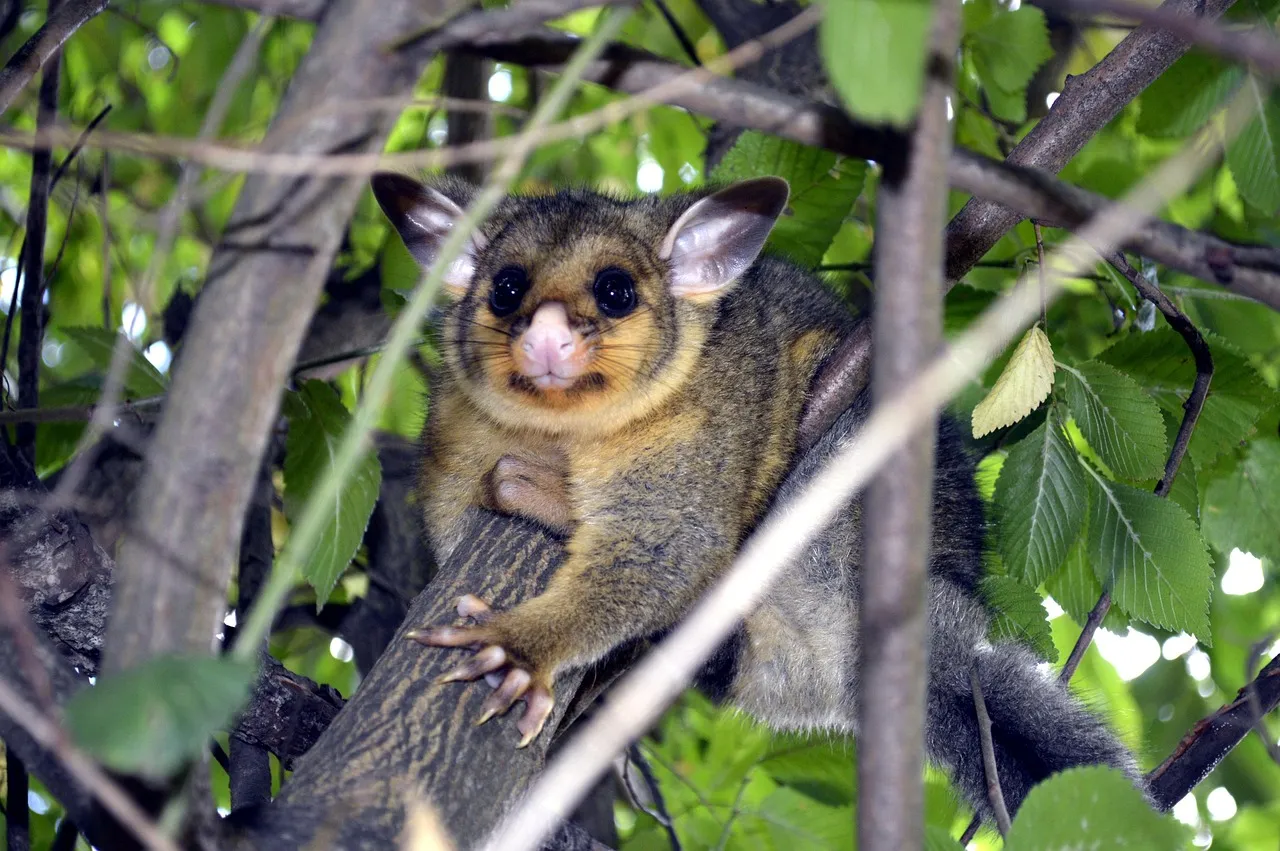
The possum most often in the roof
The brush-tailed possum is the Australian marsupial that people in cities see most often, one of the few that thrives in urban areas. It is about the size of a domestic cat, with a pointed snout, a pink nose, long whiskers, large ears and sharp claws for climbing. Possums are nocturnal and usually spend the day sleeping, and the department notes that living alongside one can be noisy and messy, particularly if it takes up residence in the roof.
Brush-tailed possums keep to a home range, which they mark with scent, and except when breeding they tend to live alone. Their young are usually born in May and June and spend about 5 months in the pouch, then another 2 months on their mother’s back.
Questions about a possum in the roof
- Who may catch it?
An owner or manager of the premises has two options, the department says: apply for a landholder’s licence to harm native animals, naming who will catch and release the possum, or engage a licensed commercial operator. A commercial operator with a current catch-and-release possum licence does not need the landholder to hold a licence of their own. Licences to property owners are granted case by case.
- Where does it go?
Back to the same property. Under the licence conditions, the possum must be captured live and released back onto the property where it was caught. Possums are territorial, and the department says research shows that dumping them too far from where they were caught, including in local parks, greatly reduces their survival.
- When is it released?
After sunset, against a structure it can climb straight away. Possums mostly live in trees, safely away from dogs.
- So how does it stay out?
By the roof being kept in good condition. The department’s possum management policy requires people to maintain their properties, roof and chimney cavities included, so possums and other animals such as birds cannot get in, and it says maintaining the roof is the best way to avoid the problem. Licence holders are strongly encouraged to permanently seal possible entrances to roof cavities.
- Can I make the possum welcome somewhere else?
The department’s suggestion is to make friends with your local possums: a resident possum that claims a yard as its territory discourages others from moving in. It says not to feed it, but you could build it a shelter somewhere safe, away from the roof cavity, where dogs and people will not disturb it. The department’s brush-tailed possum page links to its guide to making a possum house.
In a strata building
In a NSW strata scheme, NSW Fair Trading lists the roof and gutters among the repairs the owners corporation is responsible for. The NSW Government’s common property memorandum, which a scheme can adopt, also puts guttering and the part of a tree within common property with the owners corporation. Fair Trading’s advice for common property that needs repairing is to notify the building manager, strata manager or strata committee. Panel 02 has more on who looks after what.
The licence the department describes is a catch-and-release licence under the Biodiversity Conservation Act, separate from the EPA’s pesticide licences on panel 04. Its handlers operate under strict licence conditions for human safety and animal welfare.
Finding a licensed handler
The department publishes contact details for licensed catch-and-release possum handlers who have agreed to be listed, by region. It notes that the list is voluntary, so it is not a complete list of licensed operators. The department’s catch and release possums page has the list, the licence conditions and the application forms.